

In a groundbreaking move to modernize and enhance salon experiences, leading haircare brand Wella has entered a strategic partnership with pioneering tech company Digmi. Together, they aim to introduce state-of-the-art, sustainable digital tools that elevate salon efficiency, streamline operations, and create a more engaging experience for customers. This collaboration marks a significant step toward setting a new standard for Swedish beauty salons, blending innovation with sustainability to shape the industry’s future. Enhancing Salon Operations with Digital Innovation The partnership grants salons access to an advanced suite of digital solutions, including interactive screens, marketing platforms, and seamless payment systems. By merging Wella’s rich library of educational and inspirational content with Digmi’s cutting-edge digital technology, salons can create immersive and dynamic customer interactions. These solutions not only enhance client engagement but also optimize administrative workflows, allowing hairdressers to dedicate more time to their artistry and customer service. “We want to equip Swedish beauty salons with the most advanced tools to embrace the future,” says Jon Berglund, CEO of Digmi. “With Wella as our partner, we can provide innovative solutions that streamline daily operations while adding value to the customer experience.” A Sustainable and Inspiring Future for Salons Wella’s partnership with Digmi also underscores a shared commitment to sustainability and long-term industry growth. Digmi’s digital ecosystem enables effortless integration of marketing campaigns, entertainment features, and payment solutions directly at the salon chair, fostering an efficient, customer-centric approach that drives sales and enhances satisfaction. “This collaboration is a reflection of our mutual dedication to empowering salons for greater success,” says Leena Elmgren, Country Manager at Wella. “By joining forces with Digmi, we can deliver solutions that inspire, simplify operations, and create a seamless salon journey for both professionals and clients.” Through their combined expertise, Wella and Digmi are committed to shaping a stronger, more innovative, and future-proof salon industry in Sweden. By embracing digitalization and sustainable advancements, the partnership sets a new benchmark for excellence in the beauty sector. “We look forward to further developing the salon industry alongside Wella,” concludes Jon Berglund. “This collaboration is a key milestone in our vision to create modern, inspiring, and sustainable salon environments where hairdressers and customers alike can thrive.”
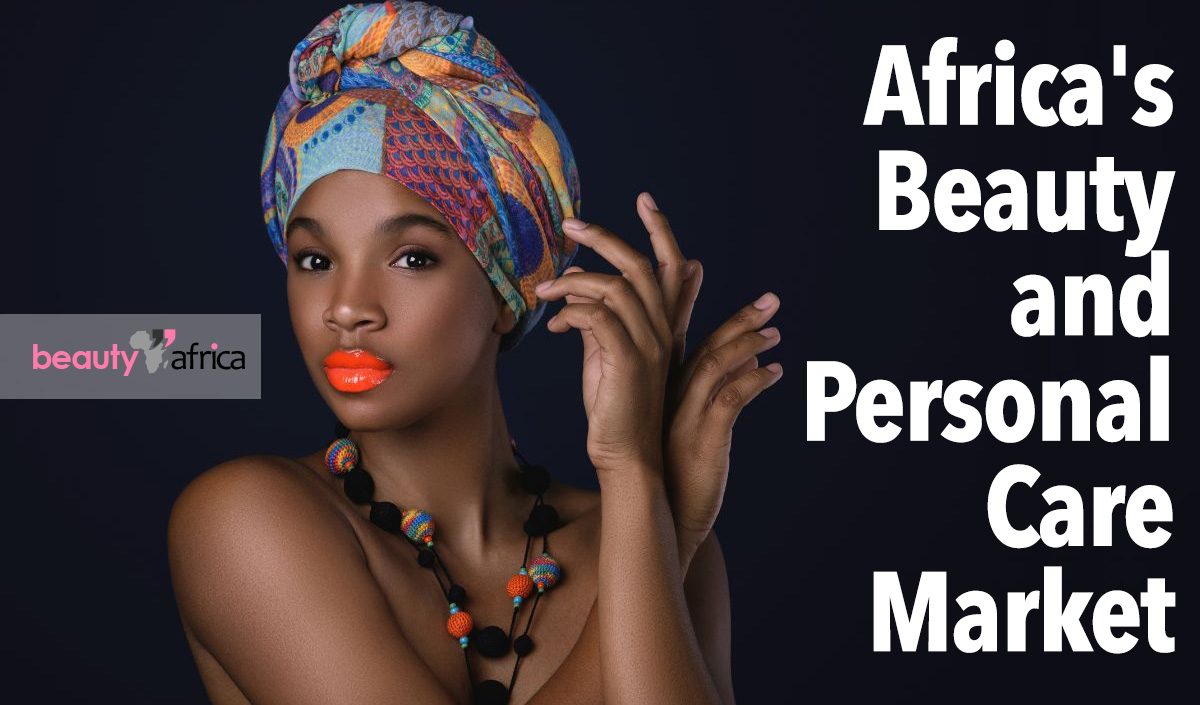
Africa Beauty and Personal Care Market
folder_open Market Reports
The African beauty and personal care market continues to evolve with innovations in product formulations, sustainable packaging, and digital retail strategies. The demand for skincare, men’s grooming products, and natural ingredients will fuel market expansion, while companies adapting to consumer preferences and regulatory changes will gain a competitive edge. Overall, the industry is poised for steady growth, driven by increased self-care awareness, technological advancements, and a shift towards eco-conscious and personalized beauty solutions. The Africa beauty and personal care market is projected to grow by USD 8.18 billion at a CAGR of over 8% between 2025 to 2030. This rapid expansion is driven by key trends, including the rising demand for anti-aging products and the shift toward natural ingredients. Consumers are increasingly seeking skincare solutions that promote a youthful appearance, while health-conscious buyers favor personal care products free from synthetic chemicals. Despite these growth opportunities, the market faces challenges such as limited distribution networks, regulatory hurdles, and high import duties, which complicate market penetration for businesses. Product Insights The skincare segment is expected to experience significant growth, driven by increasing awareness of self-care and grooming. High-demand products include: Cleansers & toners Moisturizers Anti-aging solutions House of Tara International, a Nigerian beauty brand, exemplifies the success of locally tailored skincare solutions. Additionally, organic hair care, color cosmetics, fragrances, and men’s grooming products are expanding market segments. Market Trends and Dynamics in the African Markets Rising demand for anti-aging products: Influenced by shifting lifestyles, greater skincare awareness, and a desire for a youthful appearance. Growing preference for natural ingredients: Consumers are avoiding synthetic chemicals, favoring safer alternatives such as shea butter and baobab oil. Expansion of online beauty retail: Digital platforms and social media influencers are shaping purchasing behaviors, providing access to customized skincare and personalized beauty solutions. Significant Market Trends Eco-friendly packaging and sustainable solutions: Environmentally conscious consumers drive demand for biodegradable and recyclable packaging. Customization and personalization: Tailored skincare regimens and fragrances cater to individual preferences, enhancing consumer engagement. Male grooming on the rise: Increased focus on hair fall prevention, skincare, and dental care among male consumers. Challenges Facing the Market Health risks from synthetic chemicals: Growing awareness of harmful ingredients like parabens and sulfates pushes consumers toward safer, natural alternatives. High import duties and regulatory constraints: Trade barriers make market entry challenging for new and international players. Offline vs. online retail preferences: While e-commerce is expanding, many consumers still prefer in-store experiences for product testing and expert recommendations. Competitive Landscape Leading companies in the Africa beauty and personal care market include: Adidas AG Africology Pty Ltd. Amway Corp. Beiersdorf AG Christian Dior SE Coty Inc. House of Tara International Johnson & Johnson Services Inc. L’Oreal SA Unilever PLC Zaron Cosmetics and Beauty Did You Know? The African beauty and personal care market is experiencing a massive structural transition. Here are some of the key metrics and dynamics driving this growth: • Over 8% Compound Growth: The African beauty and personal care market is projected to expand by $8.18 billion between 2025 and 2030, maintaining a compound annual growth rate (CAGR) of over 8%. • The Shea & Baobab Revolution: Consumers are actively rejecting synthetic chemicals like parabens and sulfates, leading to a massive demand spike for locally sourced organic ingredients such as shea butter and baobab oil. • Eco-Conscious Consumers: Sustainable, biodegradable, and recyclable packaging is becoming a critical purchasing differentiator for younger, environmentally conscious African buyers. • Offline Testing Still Rules: While e-commerce is growing rapidly through social media influencers, the majority of African consumers still prefer in-store experiences to test products and receive expert advice before purchasing.
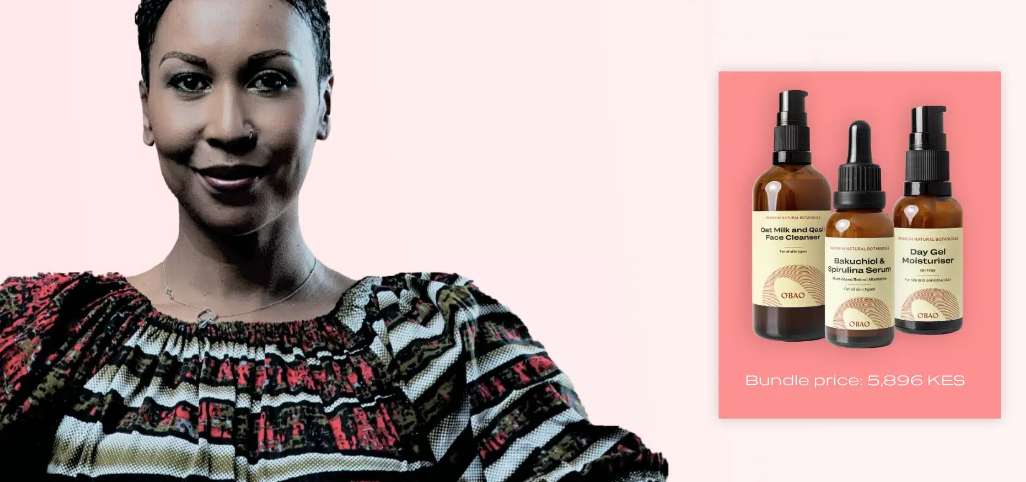
Suzie Wokabi Joins O’Bao as CEO: A New Era for Sustainable Natural Cosmetics in Kenya
folder_open Market Reports
O’Bao, the leading brand for sustainable natural cosmetics in Kenya, announced its collaboration with renowned beauty icon and entrepreneur Suzie Wokabi. Starting January 2025, Suzie Wokabi will officially take over as CEO of O’Bao, driving the brand’s mission to become a pioneer in natural, sustainable skincare products.A Vision for Kenya: Sustainable Natural Cosmetics by Kenyans for KenyansSuzie Wokabi, founder of SuzieBeauty and a trailblazer in Kenya’s beauty industry, is globally recognized for her innovative approaches and dedication to African beauty. Her decision to join O’Bao is deeply rooted in her passion for the company’s vision and values:Sustainability: O’Bao blends natural ingredients such as Baobab oil and Spirulina with eco-friendly production methods.Local Roots: Products are developed and manufactured in Kenya – by Kenyans, for Kenyans and beyond.Effective Skincare: O’Bao’s natural ingredients deliver quality and results, tailored to the unique needs of African skin.“I am truly inspired by O’Bao and its mission to unite Africa’s beauty and sustainability in one brand. It is not just a brand; it is a movement that proves Kenya can create world-class natural cosmetics,” says Suzie Wokabi.A New Chapter for O’BaoSuzie Wokabi brings over two decades of experience in the beauty industry, having built SuzieBeauty into Kenya’s first homegrown professional beauty brand, and the newly launched SB Dada, an introduction into beautytech in make-up. Her entry into O’Bao marks a pivotal moment in the company’s journey. As CEO, she aims to:Drive Product Innovation: Expand product lines based on emerging trends and local needs.Enhance Brand Awareness: Position O’Bao as the leading natural cosmetics brand in East Africa and beyond.Strengthen Sustainability: Focus on local supply chains and environmentally conscious production.A Milestone for Kenya’s Beauty IndustrySuzie Wokabi’s transition to O’Bao is not just a personal decision but also a statement to Kenya’s beauty industry. “The future of cosmetics lies in sustainability, local entrepreneurship, and leveraging our natural resources. With O’Bao, I want to showcase that Kenya can be not just a consumer but also a producer of world-class cosmetics,” says Wokabi.About O’Bao:O’Bao is a Kenyan brand for sustainable natural cosmetics, creating high-quality products from natural, locally sourced ingredients. Dedicated to promoting African beauty and environmental consciousness, O’Bao has positioned itself as a leader in the natural cosmetics sector.About Suzie Wokabi:Suzie Wokabi is the founder of SuzieBeauty and SB Dada, and is one of Africa’s most influential figures in the beauty industry. With her passion for African beauty and entrepreneurial spirit, she has revolutionized Kenya’s cosmetics landscape.
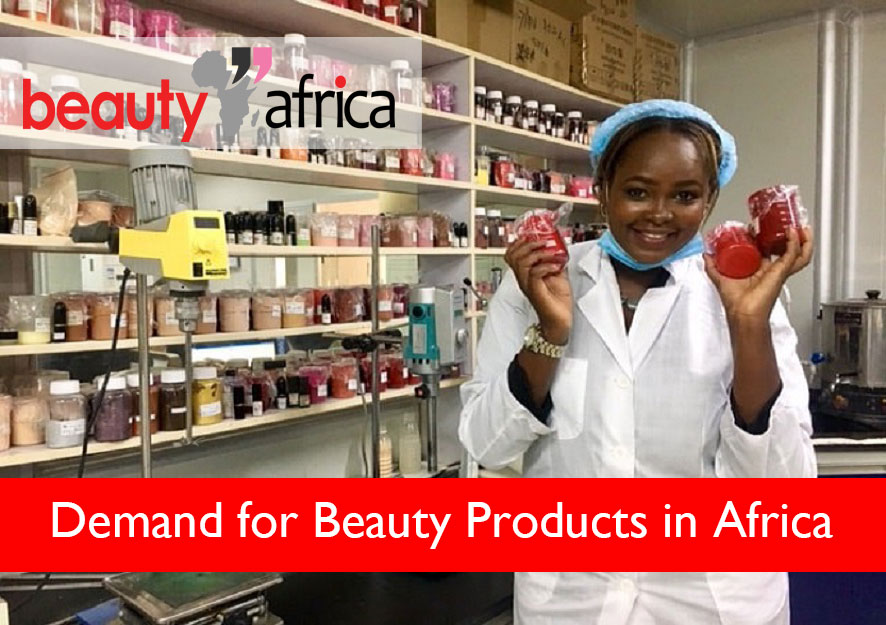
In the period between 2023 and 2030, Africa's Beauty and Personal Care market is expected to grow by 7.5 percent. The market size is forecast to increase by US$7 billion. The emergence of beauty and personal care products with natural ingredients is the key trend in the Africa beauty and personal care market. Growing health consciousness and awareness of the harmful effects of harmful chemicals used in beauty and personal care products has driven the demand for products containing natural ingredients. African consumers are looking for less harmful products with low chemical ingredients. As a result, some African beauty and personal care market players are focusing on producing beauty and personal care products that are free of parabens, toluene, formaldehyde, artificial fragrances, dibutyl phthalate (DBP), petroleum-based chemicals, butylated hydroxyanisole (BHA) and sulfate. Furthermore, manufacturers of hair care products and color cosmetics are focusing on developing products with natural ingredients to attract more customers. Therefore, affordability is an important parameter to keep in mind as African consumers are very price sensitive. Hence, these trends will boost the growth of the Africa beauty and personal care market. Demand for Beauty And Personal Care Products in Africa The adverse health effects of synthetic chemicals used in beauty and personal care products are the challenges that affect the growth of the Africa beauty and personal care market. Many beauty and personal care products contain synthetic chemicals such as benzoyl peroxide, triclosan, parabens, paraphenylenediamine, hydroquinone, sulfates, fragrances, resorcinol, synthetic dyes, petroleum, methylisothiazolinone, and phthalates. The harmful effects of this toxic chemical used in beauty and personal care products have forced customers to prioritize safety over other aspects. The growing awareness of the side effects of synthetic chemicals in beauty and personal care products is a major challenge for the Africa beauty and personal care market. Moreover, in Africa, the governments of many countries (including South Africa, Nigeria, and the Republic of Ivory Coast) have banned skin-lightening creams, whitening lotions, and bleaching products for many years. These products have attracted many African consumers for skin whitening. The idea behind this ban is to protect citizens from dangerous side effects caused by the toxic ingredients used in these products. Therefore, these factors are expected to impede the growth of the Africa beauty and personal care market. Africa Beauty and Personal Care Market The skincare segment is estimated to witness significant growth in the coming years. Consumers are increasingly interested in buying skin care products for their skin and as a result, the demand for skin care products in the African continent is increasing. House of Tara International, a Nigerian company specializing in skincare and beauty products for women of color, is an example of a successful skincare brand in Africa. Skincare brands such as The Body Shop, run by Body Shop International Ltd (Body Shop International), have capitalized on this trend by incorporating African ingredients into their product lines, fueling the growth of the skincare segment in Africa. In addition to these established brands, there has been an increase in the popularity of local skincare brands in Africa. One such brand is The Ordinary from South Africa which is known for its simple and affordable formula, Therefore, such factors are expected to increase the demand for skincare products, which will boost the growth of the skincare segment in the African beauty and personal care market during the forecast period. The hair care segment in the Africa beauty and personal care market is growing rapidly and evolving. Many consumers are becoming aware of their hair health and are investing in more hair care products and treatments, because of this the demand for hair care products is growing in the region. An example of a successful brand in the hair care segment in Africa is Shea Moisture, operated by Sundial Brands LLC (Sundial Brands). In addition, the hair care segment also includes local and regional market players that have become popular among consumers. These brands understand the diverse hair types and textures found in Africa and offer products that meet specific hair needs. Therefore, these factors will propel the growth of the Africa beauty and personal care market during the forecast period. Did You Know? Africa's cosmetics and beauty market is one of the fastest-growing sectors in the world. Here are some key statistics driving this retail boom: • Double the Global Growth: Africa's beauty and personal care market is growing at 8% to 10% annually, compared to a global average of just 4%. • $20 Billion Valuation: Driven by rapid urbanization and a rising middle class, the continent's beauty market is expected to exceed $20 Billion by 2030. • A Youthful Consumer Base: Over 70% of Sub-Saharan Africa's population is under the age of 30, creating a highly brand-conscious and active cosmetics consumer base. • Rising Purchasing Power: Increased workforce participation has boosted disposable income for African women, with a significant portion allocated to skincare, haircare, and personal grooming.
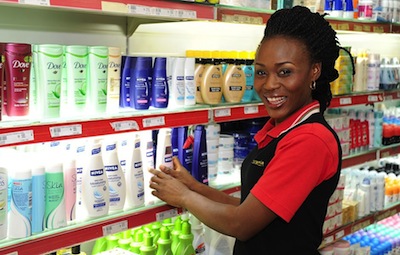
Demand for Cosmetics Grows In Africa
folder_open Latest , Market Reports
The cosmetics sector in Sub-Saharan Africa is expected to grow exponentially over the next few years. Overall, the African beauty and personal care market was estimated at $12 billion in 2022 and it currently increases between 8% and 10% per year against a global market growth rate of close to 4%. It is expected to reach over $20 billion in 2030 when the continent's total population, the fastest growing in the world, will reach 1.5 billion inhabitants. The largest market in the Sub-Saharan region, South Africa, represented $5.5 billion in revenue in 2022. The majority of sales in the country are made within structured distribution channels. By comparison, in other countries such as Kenya, only 15% of beauty and personal care products are sold in supermarkets. In Nigeria, the beauty and personal care market could reach $6 billion by 2030 making Nigeria the sector's rising star in Sub-Saharan Africa. Products for hair and body care are predominant on the beauty market in Sub-Saharan Africa, where face products and make-up remain marginal but have strong potential. The Market for Cosmetics in Africa The beauty market is also divided by a demand for both local and international products. African consumers typically expect high quality products that are both reliable and affordable. Furthermore, consumers often alternate between local brands and international ones depending on local life-styles, customs and purchasing power. Africa: A Growing Market for Cosmetics In fact, by 2030 sub-Saharan Africa is expected to have an economy that is worth around $3 trillion, the same value as that of the Russian economy today. East Africa alone is home to over 400 million people, where consumer spending is expected to grow to $220 billion by 2030. Sub-Saharan Africa could be the next big growth region due to its high birth rates and a rising middle class. The market leaders – South Africa and Nigeria – will be followed by five key frontier markets: Kenya, Ethiopia, Tanzania, Ghana and Cameroon. The population size of Africa is estimated by the United Nations (UN) Population Division at 1.4 billion, where Sub Saharan Africa (SSA) accounts for 81% of Africa’s total population – notable population sizes include Ethiopia, Egypt, Nigeria and the Democratic Republic of the Congo (DRC). Populations are set to increase by as much as 70% in Uganda and 65% in Tanzania – thereby making these countries a target for major international cosmetics companies and other FMCG multinationals. However, it is important to consider that population size alone and growth do not have an unambiguous effect on market attractiveness. While on the one hand, a higher population size boosts the number of consumers that a retailer has access to in a country, a lower population implies greater wealth per capita; a crucial factor for luxury good consumption. Demand for Cosmetics in Africa Africa’s middle-class has tripled in size in the last 30 years and is driving the continent’s demand for cosmetics. As a result, cosmetics companies are racing for market share. While multinational brands dominate the market in Kenya and Uganda and lack of capacity for local manufacturing remains an issue, local entrepreneurs are outsourcing manufacturing and are using unique sales strategies. The push towards East African markets is also an indirect consequence of South Africa, the continent’s most mature market, seeing local economic difficulties dampen demand for premium products. According to recent market research, the beauty industry in the Middle East and Africa was estimated at about $30 billion in 2023. Of this figure, South Africa alone represented over $4.5 billion; Nigeria and Kenya are second and third among sub-Saharan nations, with Kenya’s market totaling more than $500 million. In comparison, the Asian market was estimated at $120 billion in the same year. Cosmetics Market in Africa More African women, especially in the middle class, now have more spending power. Higher education is allowing many middle class African women to pursue promising careers (like men) in the workplace. As a result, more women on our continent have the extra income that gives them the spending power to ‘invest’ in the latest fashion trends – and a significant chunk of this spending goes to beauty and personal care products. The outlook for the African cosmetics, beauty and personal care products market is very positive for the coming years. In our usual tradition, let’s explore the fundamental reasons for the huge and growing demand for beauty and personal care products across Africa. The cosmetics industry (also known as the beauty industry or personal care industry) can be broken down into five major categories as follows: #1 – Hair care According to general estimates, up to 20 percent of cosmetic products sold on the market are hair care products. This category includes all products used to make human hair clean and attractive – shampoos, pomade, hair gels, conditioners, coloring and dyes, relaxers and hair styling products. The biggest spenders in this category are beauty salons and barbershops and women who use a wide range of these products. Recent fashion trends have also increased the amount of spending by men in this category with the growing popularity of dreadlocks, Sporting Waves and ‘afro’ hair styles which require more hair care and attention. #2 – Skin care The skin care products category is the largest and most assorted segment of the cosmetic market with several competing formulas, products and brands. The needs of different types of human skin – normal, dry, oily and sensitive skin – is largely responsible for the size and variety of skin care products in the African market, and there are lots of local and international brands releasing new and more attractive products every year! Nearly 35 percent of all cosmetic products sold in this market every year are in the skin care category which includes body lotions, skin moisturizers, cleansers, toners, anti-acne, anti-aging and facial products. The growing trend of using skin lightening or ‘bleaching’ products among young African women and men is also feeding the frenzy of demand that has made the skin care products category a multi-billion dollar business. According to recent reports, Africans are some of the highest users of skin bleaching products: 77 percent of Nigerian women use these products on a regular basis, followed by Togo with 59 percent; South Africa with 35 percent; and Mali at 25 percent. #3 – Make up Make up (which is also commonly referred to as ‘colour cosmetics’ or ‘decorative cosmetics’) includes a wide range of products used especially by women on the face, eyes, lips and nails. This category is so segmented that there are very many niches catering to several specific needs. The common products in this category are: lipsticks, concealers, foundation, face powder, blushes, mascara, eyeliners, nail polish and make up removers. In addition to many international designer brands in the market (such as Mary Kay, Maybelline, Clinique etc), several African-grown and promising makeup brands like Nigeria’s House of Tara and Kenya’s Suzie Beauty line are becoming very successful. #4 – Personal care and Toiletries The products in this category are primarily used to clean the body and maintain personal hygiene, and not necessarily for beautification. The products here fall into the Fast Moving Consumer Goods (FMCG) group due to their high demand and how quickly they are consumed. This category includes bathing soaps (liquids and bars), toothpaste, shaving cream, hair removal preparations (depilatories), deodorants, antiperspirants, sunscreens, toilet paper and several other items used in the bathroom. #5 – Fragrances The fragrances category of the cosmetics market may sell the least volumes but surely makes the most profit of all the product categories in this market. ‘Fragrances’ include all mixtures of essential oils and aromatic compounds that give the human body a pleasant scent. Common fragrance classes in the market include – Perfumes, Eau de Toilette, Eau de Parfum, Cologne and aftershave. Of all the cosmetic groups, the fragrances category is tightly dominated by major designer and celebrity brands. Most of the available versions in our open markets are commonly knockoffs. African Youngsters Boost Demand for Cosmetics Perhaps an added advantage for sub-Saharan Africa is that 70% of its population is under 30 which means that most of the people are young and provide a ready market for luxury goods which includes cosmetics, toiletries and perfumes. The westernisation of African consumer preferences, advances in aggregate economic conditions, and projected reduction in dependency ratios (the proportion of the total number of dependents in the country – i.e. those younger than 15 and those aged 65 and older – to the working-age population) all point towards a future growth engine of luxury goods demand – such as beauty products, cosmetics and perfumes in the overall East African market. More and more women in East Africa are overcoming the fear of powdering their face and have hence embraced the use of cosmetics for their personal grooming. Men have also followed suit and are frequently seen in beauty parlours for manicure, pedicure and haricuts. Africa Cosmetics Directory The Africa Cosmetics Directory compiled by Africa Business Pages has emerged as a helpful resource for those looking for buyers of cosmetics, perfumes and beauty products in Africa. The Africa Cosmetics Directory lists major cosmetics importers in over 35 African countries and is available for immediate download in Excel format. This special directory is updated every six months and is currently for sale at the Africa Business Pages B2B portal at a nominal cost of US$444. The Africa Cosmetics Directory has helped many exporters, manufacturers and dealers of cosmetics, perfumes, toiletries and beauty products connect with their business counterparts in the African markets and develop direct business relations and expand their sales and distribution network in key African markets. Did You Know? Africa's cosmetics and beauty market is one of the fastest-growing sectors in the world. Here are some key statistics driving this retail boom: • Double the Global Growth: Africa's beauty and personal care market is growing at 8% to 10% annually, compared to a global average of just 4%. • $20 Billion Valuation: Driven by rapid urbanization and a rising middle class, the continent's beauty market is expected to exceed $20 Billion by 2030. • A Youthful Consumer Base: Over 70% of Sub-Saharan Africa's population is under the age of 30, creating a highly brand-conscious and active cosmetics consumer base. • Rising Purchasing Power: Increased workforce participation has boosted disposable income for African women, with a significant portion allocated to skincare, haircare, and personal grooming.
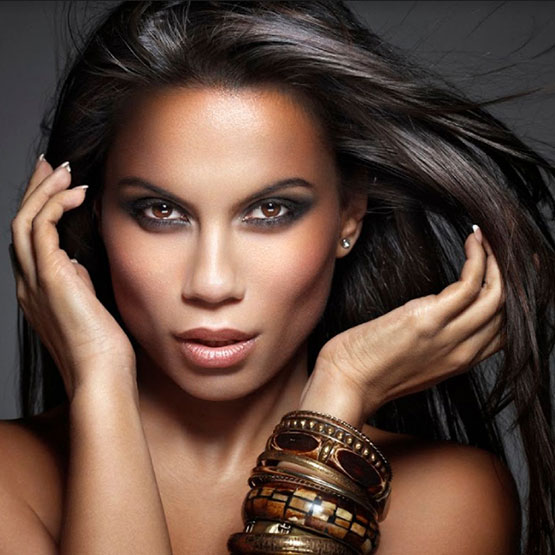
Nigeria's booming hair industry is dominated by mostly Asian companies who supply synthetic and real human hair for everything from wigs to weaving. However, in recent times local players are also slowly catching up in this highly competitive market. Wigs and weaves have become the biggest money makers in Nigeria, in an industry dominated mostly by Asian-based companies. As the countdown for the end of the year season begins and the Christmas mood sets in, most hair salons and beauty parlours in cities like Lagos, Abuja, Port-Harcourt, Enugu etc, are a flurry of activity as customers seek to modify their looks with new hairstyles and wigs. When it comes to artificial hair extensions a woman’s hair speaks volumes about her personality and style. “The hair on a woman is the beauty, without the hair I am not sure one can be totally beautiful, so ladies hair is one of their pride, a woman has to make her hair,” to look presentable. The scramble for quick cash from artificial or synthetic hair has seen several Asian-based companies from as far as China and Japan set up factories in places like Lagos where they make a roaring trade selling their products. Companies such as Amigo, which invested over $50,000,000 (fifty million dollars) in machinery and infrastructure in Lagos, produce everything from wigs and weaves to human hair extensions which are on high demand in the local market as well as in other African countries. Some imported hair extensions have easily sold for as much as US$1000 – 2500 and buyers are plenty. “Competition is fierce there is a lot of hair out there, different hair manufacturers out there, not just in Nigeria but also coming from abroad especially form China and now Korea, flooding the Nigerian market with all sought ” i think its time we Nigerian wake up and smell the coffee” start investing in artificial or synthetic hairs as well and watch the money flood in” (caution don’t start making fake o! this is low quality products let me put that as a warning because people ”no go” buy fake). Did You Know? Nigeria's hair care and hair extension market is one of the most lucrative and fastest-growing fashion sectors in Africa. Here are some eye-opening statistics about this industry: • High-End Luxury Demand: Premium, high-quality human hair extensions and weaves can retail for anywhere between $1,000 and $2,500 in Nigeria, yet demand remains consistently high among fashion-conscious consumers. • Multi-Million Dollar Investments: Major manufacturing companies are investing heavily in local production; for instance, hair giant Amigo invested $50 million in machinery and infrastructure in Lagos alone to meet local and regional demand. • Lagos as a Style Hub: During festive seasons, hair salons and beauty parlours in major hubs like Lagos, Abuja, and Port Harcourt experience a massive surge in business as women update their hairstyles and wig collections. • Regional Export Hub: Nigeria is not just a consumer market; hair products manufactured in Lagos factories are actively exported and distributed to beauty retail networks across neighboring West African countries.
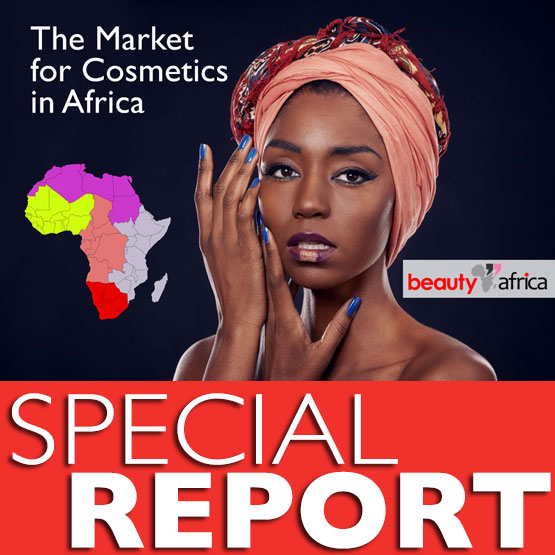
Why is the business of cosmetics, beauty and personal care products in Africa booming? Africa beauty market is one of the most lucrative businesses too. Why? According to market research, the beauty industry in the Middle East and Africa was estimated at about $30 billion in 2023. Of this figure, South Africa alone represented $6 billion; Nigeria and Kenya are second and third among sub-Saharan nations, with Kenya’s market totalling more than $450 million. In comparison, the Asian market was estimated at $150 billion in the same year. As a result, the outlook for the African cosmetics, beauty and personal care products market is very positive for the coming years as there is so much room for it to grow and become at par with the Asian markets. Let’s explore the fundamental reasons for the huge and growing demand for beauty and personal care products across Africa. #1 – Cosmetic products have become a basic and daily need If you’re like most people, you’ve probably had the wrong notion about the term ‘cosmetics’ for a very long time. Well, it’s time to erase it: Technically, cosmetics are any substances used to enhance the appearance and odour of the human body. This includes a wide range of body and skin care products from ordinary bathing soaps and tooth paste to designer perfumes and make-up. In fact, any product used to clean, beautify and promote the attractiveness of the human body is a cosmetic product. If you do not use any product that falls into this definition in your daily life, it’s likely you’re a cave man or some ape-looking creature living in a thick forest! In today’s world, cosmetics have become a very basic need. Everyone, including poor people, will go out of their way to enhance the way they look, feel and smell. Besides helping us with our personal hygiene, cosmetics have become vital to our self-esteem and largely determine how other people treat us and our ability to influence them. It’s not a surprise that beauty and skin care products are the fastest selling items in Africa after food! That modern Africans have a basic need for beauty and personal care products is only one part of the equation. Africa’s current population of roughly one billion people is expected to rise to 2.3 million by 2050. This can only mean one thing – more demand for beauty and personal care products! (photo credit: blackdoctor.org) #2 – Africa’s young and fashion-conscious ‘middle class’ population is fuelling demand Africa is home to the youngest population in the world with more than half of its one billion people below the age of 20. What is more interesting is the presence of a large and growing ‘middle class’. The African Development Bank describes ‘middle class’ as those who spend between $2 to $20 a day. At the moment, there are more than 300 million people on the continent who fit into this category. A significant majority of Africans in the middle class are young and educated city people who are very aware of (and heavily influenced by) modern trends in grooming, fashion and western culture. Because most of them hold salaried jobs or own a small business, these guys and ladies have more spending money at their disposal. Due to their tastes and desire for the ‘feel good factor’ they are driving the demand for consumer products like beauty and skin care products across Africa! According to a recent Deloitte report, “Africa’s middle class has tripled over the last 30 years, with one in three people now considered to be living above the poverty line – but not among the wealthy. The current trend suggests that the African middle class will grow to 1.1 billion (42%) by the year 2060. As African economies are growing (7 of the 10 fastest growing in the world are African), the wealth is trickling down and Africa now has the fastest growing middle class in the world.” #3 – African women now have more spending power In our society, women experience a greater burden and pressure to look beautiful. This is the main reason why hair products and extensions, skin care and make-up products are the largest and most lucrative segments of the global cosmetics market. Of course, these segments are targeted at, and dominated by, female consumers. Every year, in addition to other basic cosmetics, women around the world are the biggest spenders on all kinds of make-up, skin care and hair products. (photo credit: blackhairinformation.com) More African women, especially in the middle class, now have more spending power. Higher education is allowing many middle class African women to pursue promising careers (like men) in the workplace. As a result, more women on our continent have the extra income that gives them the spending power to ‘invest’ in the latest fashion trends – and a significant chunk of this spending goes to beauty and personal care products. In addition to the income women earn themselves, there is also a ‘male support factor’ at play in the huge spending on cosmetic products. Many women are wholly or partially supported by partners (husbands, boyfriends, uncles and brothers) who spend directly and indirectly on beauty products either by giving cash or buying these cosmetics as ‘gift’ items. As long as Africa’s economic growth continues to look up and the size of the middle class continues to grow, these direct and indirect sources of female spending power will get stronger. Major cosmetics, beauty and personal care product categories entrepreneurs should focus on in Africa Now that we have explored the reasons behind Africa’s huge and growing demand for cosmetic products, it’s time to look at the major categories of this market and the products people are spending on. The cosmetics industry (also known as the beauty industry or personal care industry) can be broken down into five major categories as follows: #1 – Hair care According to general estimates, up to 20 percent of cosmetic products sold on the market are hair care products. This category includes all products used to make human hair clean and attractive – shampoos, pomade, hair gels, conditioners, coloring and dyes, relaxers and hair styling products. The biggest spenders in this category are beauty salons and barbershops and women who use a wide range of these products. Recent fashion trends have also increased the amount of spending by men in this category with the growing popularity of dreadlocks, Sporting Waves and ‘afro’ hair styles which require more hair care and attention. #2 – Skin care The skin care products category is the largest and most assorted segment of the cosmetic market with several competing formulas, products and brands. The needs of different types of human skin – normal, dry, oily and sensitive skin – is largely responsible for the size and variety of skin care products in the African market, and there are lots of local and international brands releasing new and more attractive products every year! Nearly 30 percent of all cosmetic products sold in this market every year are in the skin care category which includes body lotions, skin moisturizers, cleansers, toners, anti-acne, anti-aging and facial products. The growing trend of using skin lightening or ‘bleaching’ products among young African women and men is also feeding the frenzy of demand that has made the skin care products category a multi-billion dollar business. (photo credit: skincarecentral.co) According to this BBC article, the World Health Organization reported that Africans are some of the highest users of skin bleaching products: 77 percent of Nigerian women use these products on a regular basis, followed by Togo with 59 percent; South Africa with 35 percent; and Mali at 25 percent. To fight the negative impact of bleaching products, innovative entrepreneurs like Ghana’s Grace Amey-Obeng (Forever Claire products) have built very successful businesses by providing products that help to treat and restore skin damaged by bleaching. #3 – Make up Make up (which is also commonly referred to as ‘colour cosmetics’ or ‘decorative cosmetics’) includes a wide range of products used especially by women on the face, eyes, lips and nails. This category is so segmented that there are very many niches catering to several specific needs. The common products in this category are: lipsticks, concealers, foundation, face powder, blushes, mascara, eyeliners, nail polish and make up removers. In addition to many international designer brands in the market (such as Mary Kay, Maybelline, Clinique etc), several African-grown and promising makeup brands like Nigeria’s House of Tara and Kenya’s Suzie Beauty line are becoming very successful. (photo credit: cityline.ca) #4 – Personal care and Toiletries The products in this category are primarily used to clean the body and maintain personal hygiene, and not necessarily for beautification. The products here fall into the Fast Moving Consumer Goods (FMCG) group due to their high demand and how quickly they are consumed. This category includes bathing soaps (liquids and bars), toothpaste, shaving cream, hair removal preparations (depilatories), deodorants, antiperspirants, sunscreens, toilet paper and several other items used in the bathroom. #5 – Fragrances The fragrances category of the cosmetics market may sell the least volumes but surely makes the most profit of all the product categories in this market. ‘Fragrances’ include all mixtures of essential oils and aromatic compounds that give the human body a pleasant scent. Common fragrance classes in the market include – Perfumes, Eau de Toilette, Eau de Parfum, Cologne and aftershave. If you’d love to know the difference between these fragrance classes, we found this great article to help you! Of all the cosmetic groups, the fragrances category is tightly dominated by major designer and celebrity brands. Most of the available versions in our open markets are commonly knockoffs. (photo credit: amoperfumes.blogspot.com) How to start your own cosmetic, beauty and personal care products business in Africa Regardless of the amount of capital you have or how much you know about beauty and personal care products, this is a business you can operate on your own, from your home, and on a low (or huge) budget. There are two major ways you can start your own cosmetics products business – make your own products; or sell for others. Option 1 – Make your own beauty and personal care products It’s true our markets are crowded with all sorts of local and international beauty and personal care products. However, there are segments of the market that have different needs and preferences that you can build a profitable cosmetics business on. These niches include people who prefer local herbs and ingredients in their hair creams or body lotions, ingredients suited to black skin, spot and blemish removal remedies, anti-aging treatments… and all sorts! This is the edge African cosmetic products have over foreign brands. We have a different climate, skin/hair texture, tastes and preferences that most of foreign products cannot cater to. The African Black Soap (or Dudu Osun as it’s popularly called) is a great example of a very successful and internationally loved product. Due to its amazing ability to clear skin spots and blemishes, this product has become a hot global selling beauty product! You really need to check out the reviews this product has received on Amazon! Africans at home and abroad (including African American and Caribbean people who share our dark skin) and even white-skinned people are among this product’s loyal customers. Africa has lots of ingredients that can replicate the Dudu Osun success story. Shea butter, Coconut oil, and Aloe vera are just a few of many local African ingredients used in make up, hair and skin care products. What other great beauty substances or ingredients do you know about? No matter how crude it looks, all you may just need to do is package the product in a nice way for the market. We should remind you that Dudu Osun had been in use in many parts of Africa for centuries until someone decided to transform it into an attractive and global-selling product! If you’re seriously considering starting your own cosmetic products line, we found just the right resource that will help you. MakingCosmetics.com has lots of interesting information that will guide you through the process of defining your product, testing formulas, manufacturing, packaging and marketing. It’s a great place to start if you’re thinking about making your own products or a full-range cosmetics product line. Option 2 – Sell local and international brands The African cosmetic products market accommodates huge volumes of local and foreign made products that are sold on the continent every year. You can join the vast (and growing) distribution networks that make sure these products get from the factories (where they are produced) to the final consumers who use them. Importers are the biggest players in the foreign brands market in Africa. These guys bring in all kinds of cosmetic products from Europe, North America, the Middle East and Asia. In fact, Dubai (United Arab Emirates) has become a hotspot for African importers to make orders for cosmetic products from across the world. Depending on the size of the order and the brands you choose, starting the import business will require significant capital and (maybe) an import license from the government. Wholesalers and retailers usually buy and stock products in different sizes. These products could be imported or manufactured locally. Retailers of cosmetic products include open air markets, department stores, neighbourhood drug stores and pharmacies, beauty salons and barbershops and spas. These are essentially the places where ordinary people go to buy their beauty and personal care products. Depending on your location, marketing strategies and the competition, these can be very lucrative businesses you may want to explore. Interested in the cosmetics, beauty and personal care products business? We have explored the exciting market for beauty and personal care products in Africa and the opportunities that entrepreneurs like you can explore. All indications point to a large and growing demand for these products on our continent now and in the future. As you have seen, several African entrepreneurs and products are emerging as huge successes in this space. We believe that the opportunities identified in this article can be taken further by your creativity and energy. If you are confident a business in Africa’s cosmetic products market will work for you, it’s important that you start taking action as soon as possible. Did You Know? The Middle East and African beauty and personal care market has matured into a multi-billion dollar powerhouse. Here is a breakdown of what makes this industry so lucrative: • Massive Valuation: The combined Middle East and African beauty industry is estimated at approximately $30 billion, with South Africa ($6 billion) and Nigeria leading as the largest sub-Saharan markets. • Tripled Middle Class: Africa's middle class has tripled in the last 30 years and is projected to reach 1.1 billion people (42% of the population) by 2060, driving consistent demand for premium toiletries and cosmetics. • Skincare Dominance: Skincare is the largest segment in the African market, representing nearly 30% of all beauty product sales on the continent. • Dudu Osun Global Phenomenon: Traditional African Black Soap (Dudu Osun) has transformed from a centuries-old local recipe into a globally beloved, multi-million dollar export product sold on major platforms like Amazon.
Going buy the tremendous growth in demand for halal cosmetics in the Saudi market, it is evident that the Halal personal care products are continuing to gain momentum and are here to stay. The projected growth rate of 15 percent between 2023 and 2030 is just an indication of the potential of this growing trend. And it doesn’t stop there, with consumers also seeking out the holistic benefits of Chinese medicines. So are these the ‘new naturals’? Halal Cosmetics Indeed, according to a report by Dubai Authorities and Thomson Reuters, demand for halal cosmetics is growing both amomst Muslims and globally. Cosmetics giants who are forging ahead in the halal cosmetics market like Estée Lauder which has been blazing an acquisition trail of companies aimed at Asian consumers. L'Oréal is planning to open a store in Uganda and has also acquired Chinese make-up and skincare brand Yue-Sai in a bid to expand in the East. More tellingly, according to the report the demand for halal products is greater than total sales in Germany and India. Coming to Chinese medicine now, the rise and rise of Jahwa-owned Herborist brand is a clear indication of the popularity of these products amongst consumers. The company has had a stellar year, first launching in the UK as part of its European expansion plan – then launching in North America in a bid to capitalize on the market with its Chinese traditional medicine techniques . Most recently, the company teamed up with a Japanese partner in order to manufacture its products in France and Japan. The company’s global onslaught is a clear indicator of the desirability of herbal-based medicinal cosmetics products. According to a recent report, the market share for herbal beauty products has increased considerably in comparison to synthetic products thanks to their popularity with consumers. Products such as herbal skin care, hair care and make up items are said to be on the rise due to increased awareness of harmful chemicals added to synthetic products. There were a number of mergers and acquisitions that gave a nod to the importance placed on the market by key players in the industry. US-based cosmetics ingredients and industrial lubricants company INOLEX signed an agreement to acquire ieS LABO, a French manufacturer of natural and organic plant and herbal extracts for the cosmetic industry Meanwhile Italian naturals cosmetics brand Bottega Verde revealed plans to expand its network with 20 new openings in Gulf countries. And with the company’s products based on herbal ingredients, it’s a clear sign that the Gulf countries are just as welcoming to herbal-based cosmetics products as the rest of the world. Chief Executive Officer Benedetto Lavino said at the time, “All stores are doing very well as our products are based on natural ingredients and are very well-accepted in these countries. However, one of the biggest boost given to the herbal and Chinese-based cosmetics market is Chinese direct sales giant Amway opening the US$13 million botanical research center. The centre, named The Amway Botanical Research Center (ABRC), will be used to study plants associated with traditional Chinese medicine for potential future use in its products. Will companies continue to invest in the herbal and Chinese-based cosmetics market in the coming years? With the figures speaking for themselves, it would seem foolhardy not to dip a tentative toe into the water to cater to a growing consumer base while boosting profits in return. Did You Know? The demand for Halal and natural herbal cosmetics is experiencing explosive growth globally and across Africa. Here is what is driving this conscious beauty segment: • Beyond Religious Practice: Halal cosmetics are increasingly purchased by non-Muslim consumers who view them as clean, cruelty-free, and ethically sourced alternatives to synthetic products. • Avoiding Harmful Chemicals: The rise of herbal and traditional plant-based cosmetics in Africa is fueled by a growing consumer awareness of the toxic side effects of parabens, phthalates, and synthetic dyes. • High Market Potential: The global Halal cosmetics market is growing at over 15% annually, making it one of the fastest-expanding sectors in the beauty industry. • Major Brands Investing: Global giants like L'Oreal and Estee Lauder are actively certifying products and acquiring organic brands to satisfy the high demand for clean beauty in emerging African and Asian markets.
African Market for Beauty Products
folder_open Market Reports
Studies and research reveal that if the infrastructure expenditure grows over the coming years, the cosmetic market growth rate will also be improved due to the benefits that an improved infrastructure provides. The increase in growth rate can lead to further improvements in the infrastructure due to the immense amount of money generated from this sector of the economy. It will be a virtuous circle where an increase in the expenditure on infrastructure will lead to an increase in the market growth rate, which in turn, will benefit the cosmetic industry and so on. However, because of the size of the African continent, the outlined scenario is likely to be the most costly as well. Even though improvements have been made in some African countries in the past few years, customs procedures are still a lengthy process. A trade-facilitation programme that would cut the time needed to comply with customs procedures at port by 50% would generate an extra US$ 15 billion annually in GDP for sub-Saharan Africa. MARKET DIFFERENTIATION AND BRAND STRATEGY It is worth noting that while the growth of the cosmetics goods market is highly correlated with macroeconomic indicators such as real GDP growth and disposable income, a key impediment to cosmetics brands’ successful expansion into Africa is a failure to recognize the vast differences in consumer preferences between these high-growth countries. Africa does not constitute a single economy, and vast cultural and religious differentiation does not allow cosmetic firms to blindly use one African country’s product penetration strategy as a blueprint for expansion into the entire region. Correctly estimating the maturity phase of the target country is pivotal to commercial success, as different product categories see peak demand at different moments of the maturity cycle, ranging typically from the lowest to highest price points. For example, while the Kenyan cosmetics goods market is estimated by New World Wealth to have expanded by 60% during the period 2023-33, higher-end cosmetic brands such as Revlon met with weak appetite as the Kenyan consumer favoured cheaper brands. Gender differentiation is a key factor to consider: male income continues to outpace their female counterparts’ earnings trajectory, which presents opportunities in the sector of men’s grooming products. Not surprisingly then, men’s grooming is fast emerging as one of the fastest growing sectors in East Africa’s beauty and personal care industry. DEMAND FOR SPECIALISED, TAILORED PRODUCTS African consumers have long been asking for products adapted to their hair, skin and body specificities. Africa remains a largely untapped market where consumers are screaming out for quality products adapted to their specific needs. For example, African skin requires darker shades than make-up lines traditionally offer. Make-up also needs to be more resistant to heat. Different needs also exist in terms of skin care, as anti-ageing products for African consumers primarily aims at tackling dark spots and uneven complexion, whereas anti-ageing products for Western women aims at tackling wrinkles first. And in terms of hair care, matters become more complicated since African hair strongly differ from Caucasian or Asian hair but also varies throughout the African continent itself. The biggest challenge for African women is getting a comb through their hair in the morning – which can be physically painful at most times. Knowing such differences, it is easily understandable that African consumers, and especially women, pay strong attention to customized products. Product tailoring is the key to winning the African battle...provided the products remain affordable. Therefore, Cost and R&D competitiveness are critical in the beauty sector in East Africa. MARKET METRICS The African continent has 54 countries; including the addition of the South Sudan in 2011. In 2023, the urban population was estimated at 500 million inhabitants, or 40% of the total African population; making Africa more urbanised than India. It is estimated that by 2030, more Africans will be residing in urban areas for the first time in the continent's history. By 2050, this number is projected to approximate 1.2 billion; representing almost 60% of the total population of Africa. Africa has 52 cities with more than one million inhabitants. and is expected to grow to 75 cities in the future.
Africa has firmly established itself as one of the world's most exciting consumer markets. While global economic growth has slowed in many developed economies, Sub-Saharan Africa continues to be one of the fastest-growing long-term consumer regions, driven by rapid urbanization, rising incomes, digital transformation, and the world's youngest population. Today, the continent is home to approximately 1.55 billion people, with more than 1.2 billion living in Sub-Saharan Africa. According to United Nations projections, Africa's population will exceed 2.5 billion by 2050, representing nearly one-quarter of the world's population.This remarkable demographic expansion is creating enormous opportunities for the cosmetics, personal care, fragrance, haircare, and wellness industries. Consumer expenditure across Africa is forecast to exceed US$2.5 trillion annually by 2030, while the continent's combined GDP is expected to approach US$4 trillion over the coming decade. As disposable incomes rise and millions of consumers join the middle-income segment, demand for quality beauty and personal care products continues to accelerate across virtually every African market.East Africa alone is now home to over 500 million people, making it one of the fastest-growing regional markets globally. Countries including Kenya, Tanzania, Uganda, Ethiopia and Rwanda are witnessing rapid expansion in modern retail, shopping malls, e-commerce platforms, pharmacies, supermarkets and beauty specialty stores, all of which are increasing access to international beauty brands.Why Africa?Africa represents one of the last major untapped consumer frontiers. The continent combines a rapidly expanding population with rising urbanization, improving infrastructure, increasing internet penetration, mobile payment adoption, and a growing middle class.According to the United Nations, Africa's population is expected to reach approximately 2.5 billion by 2050 and nearly 3.9 billion by 2100, making it by far the fastest-growing region in the world. More importantly for beauty companies, Africa possesses the world's youngest consumer base, with a median age of around 19 years, compared with approximately 39 years in Europe.[slider uploads/blogs/africa-beauty-market.jpeg]Young consumers are typically the earliest adopters of beauty trends, skincare routines, fragrances, cosmetics, barbering services, haircare products, and digital beauty content. Social media platforms including Instagram, TikTok and YouTube are transforming purchasing behaviour as influencers educate consumers on skincare routines, makeup techniques, natural hair care, and premium beauty products.Africa is also urbanizing at an unprecedented pace. More than 600 million Africans now live in urban areas, and by 2035 cities will accommodate well over 700 million people. This urban migration is particularly significant for the beauty industry because city consumers generally have higher disposable incomes, better access to retail outlets, stronger exposure to international brands, and greater spending on personal appearance and grooming.Rising Consumer SpendingEconomic growth across Africa continues to strengthen household purchasing power despite short-term economic challenges. Consumer spending is increasingly being driven by a rapidly expanding middle-income population, greater female workforce participation, and improved access to financial services through mobile banking.Africa's largest consumer markets continue to be led by:South AfricaNigeriaEgyptKenyaMoroccoEthiopiaGhanaTanzaniaCôte d'IvoireAlgeriaAmong Sub-Saharan markets, Nigeria, South Africa, Kenya, Ethiopia, Tanzania and Ghana remain the primary destinations for multinational cosmetics manufacturers, distributors and investors. These countries benefit from growing retail sectors, expanding supermarket chains, strong pharmaceutical distribution networks, and improving logistics infrastructure.Africa's Expanding Affluent Consumer BaseThe continent is also witnessing rapid growth in affluent consumers. Wealth migration reports continue to show increasing numbers of high-net-worth individuals (HNWIs), particularly in cities such as Lagos, Johannesburg, Nairobi, Cape Town, Casablanca, Cairo and Accra.Nairobi remains one of Africa's fastest-growing wealth hubs, while cities such as Kigali, Dar es Salaam and Addis Ababa are also developing sizeable upper-middle-class populations with growing purchasing power.Luxury beauty, prestige skincare, premium fragrances and salon-exclusive professional brands are benefiting from this shift, particularly among younger professionals seeking international-quality products.Population Growth Creates Long-Term DemandUnlike many mature economies facing ageing populations, Africa's demographic profile provides a sustainable foundation for decades of consumer growth.More than 60% of Africans are under the age of 25, while approximately 70% are under 30. Every year millions of young consumers enter the workforce, creating sustained demand for:SkincareHaircareCosmeticsMen's groomingFragrancesPersonal hygiene productsBeauty accessoriesSalon equipmentWellness productsCountries including Uganda, Tanzania, Zambia, Rwanda and Ethiopia continue to experience some of the world's highest population growth rates, creating expanding customer bases for both mass-market and premium beauty products.Africa's Beauty Industry is Expanding RapidlyAfrica's beauty and personal care sector has evolved dramatically over the past decade. Demand is no longer limited to basic toiletries. Consumers are increasingly purchasing facial skincare, anti-ageing products, sun protection, professional haircare, colour cosmetics, natural beauty products, fragrances and premium personal care items.International manufacturers continue to expand their presence through distributors, local manufacturing partnerships, franchise operations and e-commerce. At the same time, African beauty entrepreneurs are launching innovative brands that celebrate local ingredients such as shea butter, baobab oil, marula oil, moringa, black seed oil and African botanical extracts.Many local companies outsource manufacturing to international contract manufacturers while focusing on branding, digital marketing and regional distribution, allowing them to compete effectively with established multinational brands.Digital Commerce is Reshaping Beauty RetailOne of the biggest changes in Africa's beauty industry has been the rapid growth of digital commerce. Smartphone penetration, affordable mobile internet, and widespread adoption of mobile money have transformed the way consumers discover and purchase beauty products.Beauty brands now reach customers through online marketplaces, social commerce, WhatsApp Business, Instagram Shops, TikTok creators and influencer marketing. Consumers increasingly rely on online reviews, beauty tutorials and live product demonstrations before making purchasing decisions. This digital ecosystem has significantly lowered the barriers for both local entrepreneurs and international brands seeking to enter African markets without an extensive physical retail footprint.Demand for Inclusive Beauty ProductsAfrican consumers are increasingly seeking products specifically formulated for local skin tones, hair textures, climate conditions and beauty preferences. This shift has encouraged international manufacturers to develop more inclusive shade ranges, specialized haircare solutions and skincare products designed for melanin-rich skin.At the same time, demand for clean beauty, vegan formulations, sustainable packaging and naturally derived ingredients is rising among younger consumers. Products containing indigenous African botanicals such as shea butter, baobab, marula, moringa and rooibos are gaining international recognition, creating opportunities for African manufacturers to compete globally while showcasing the continent's rich natural resources.Men's Grooming Continues to GrowConsumer behaviour has evolved significantly over the past decade. Women remain the largest buyers of cosmetics and skincare products, but men now represent one of the fastest-growing segments of the African beauty market.Modern barber shops, grooming lounges and men's salons have become increasingly common across major African cities. Male consumers are purchasing facial cleansers, beard oils, moisturizers, fragrances, hair styling products, manicure and pedicure services, and premium grooming accessories. This expanding market presents significant opportunities for companies specializing in men's personal care products.Urbanization Continues to Drive Beauty ConsumptionUrbanization remains one of the strongest structural drivers of Africa's beauty industry. Consumers living in cities typically earn higher incomes, spend more frequently on personal care products, and are more exposed to global fashion and beauty trends through digital media.Large metropolitan areas such as Lagos, Nairobi, Johannesburg, Cairo, Addis Ababa, Casablanca, Accra and Dar es Salaam continue to attract international retailers, shopping centres, pharmacies and specialist beauty chains. These urban hubs provide ideal launch markets for new beauty brands before expansion into secondary cities and neighbouring countries.As modern retail infrastructure continues to develop across the continent, Africa is expected to become one of the world's most dynamic beauty and personal care markets. For international manufacturers, distributors and investors seeking long-term growth, the continent offers a unique combination of demographic momentum, rising consumer spending, expanding retail channels and an increasingly sophisticated beauty-conscious population. Did You Know? Africa's cosmetics and beauty market is one of the fastest-growing sectors in the world. Here are some key statistics driving this retail boom: • Double the Global Growth: Africa's beauty and personal care market is growing at 8% to 10% annually, compared to a global average of just 4%. • $20 Billion Valuation: Driven by rapid urbanization and a rising middle class, the continent's beauty market is expected to exceed $20 Billion by 2030. • A Youthful Consumer Base: Over 70% of Sub-Saharan Africa's population is under the age of 30, creating a highly brand-conscious and active cosmetics consumer base. • Rising Purchasing Power: Increased workforce participation has boosted disposable income for African women, with a significant portion allocated to skincare, haircare, and personal grooming.
Preliminary request for participation in the trade show
place
calendar_today
Preliminary request for visitor registration
Visitor Registration
place
calendar_today